Linden: How to build your professional brand in a digital world
In today's world, the digital realm has become an integral part of our daily lives, especially when it comes to job hunting, building professional networks, and developing a professional brand. Among the platforms that have proven their value in this field, LinkedIn stands out as one of the most important and powerful tools for building and enhancing your professional brand digitally.
What is a professional brand?
A personal brand is how you present yourself to the professional world. It's the impression you make on others based on your skills, experience, values, and career goals. LinkedIn is the ideal place to develop this brand and make it available to employers, colleagues, and partners.
The importance of building your professional brand on LinkedIn:
1. Digital Presence:
LinkedIn is a platform dedicated to professional purposes, making it the ideal place to build a strong digital presence.
2. Connecting with Experts:
You can easily connect with industry leaders and professional colleagues.
3. Demonstrating Competence:
Your profile serves as a digital resume that employers can view.
4. Accessing Job Opportunities:
The platform provides opportunities to view job postings and connect you directly with recruiters.
5. Enhancing Professional Credibility:
A strong professional brand contributes to enhancing your credibility in your field.
Steps to Building Your Professional Brand on LinkedIn
1. Creating a Professional Profile
Your profile is the cornerstone of building your professional brand. Make it attractive and comprehensive:
Personal Photo:
Choose a high-quality, professional photo that reflects your professional persona. Avoid casual photos.
Headline:
Don't just list your current job title. Write a headline that reflects your skills and value proposition. Example:
"Digital Marketing Specialist | Creative Content Creator Helping Businesses Grow."
About:
Write a short paragraph introducing yourself, your skills, achievements, and career goals.
Example: "I am a data analyst with over 5 years of experience helping businesses make strategic, data-driven decisions."
2. Professional Experience:
List your previous jobs with a brief description of your role and the skills you acquired.
3. Skills and Certifications:
Add your skills, such as "Project Management," "Data Analysis," or "Social Media Marketing." Include relevant certifications.
4. Identify Your Target Audience
Before you start building your professional brand, ask yourself:
Who are the people I want to reach?
What group do I want to influence?
For example, if you are targeting employers, focus on the skills they are looking for and showcase your experience and projects.
5. Publish Engaging and Useful Content
The content you share reflects your professional value and enhances your visibility as an expert in your field.
Types of Content:
Articles on topics relevant to your field.
Tips and ideas based on your experience.
Posts about your professional achievements.
Reposts of professional articles or news with your personal commentary.
Consistency:
Be active on the platform and maintain a regular content posting schedule, whether weekly or monthly.
6. Build a Strong Professional Network
Connect with the Right People:
Don't add random people. Focus on building a network of colleagues, industry leaders, and experts in your field.
Engage with Others:
Comment on their posts, share their articles, and send them private messages when necessary.
Professional Groups:
Join groups relevant to your field. These groups are great places to discuss and learn.
7. Enhance Your Professional Credibility
Recommendations:
Ask your colleagues or former managers to write recommendations about your performance. These recommendations enhance your credibility.
Endorsements:
Encourage your colleagues to endorse your skills (such as leadership, analysis, or management).
Professional Certifications:
Add any certifications you have earned through platforms like Coursera or LinkedIn Learning.
8. Engage with the platform daily.
Participate in professional conversations.
Share your thoughts and opinions on news and updates in your field.
Congratulate others on their achievements or reaching new positions.
9. Monitor and analyze performance.
Track the impact of your professional brand and see if your efforts are paying off.
Common mistakes to avoid:
Incomplete profile:
An incomplete profile reduces your chances of attracting professional attention.
Irregular activity:
Not interacting regularly can make your account less visible.
Excessive friend requests:
Don't send random friend requests without a personal message explaining why you want to connect.
Focus on quantity over quality:
Focus on providing valuable content instead of posting randomly.
بحث
أحدث المقالات

Professional development for teachers from rote instruction
Teacher professional development
2026-Feb-09
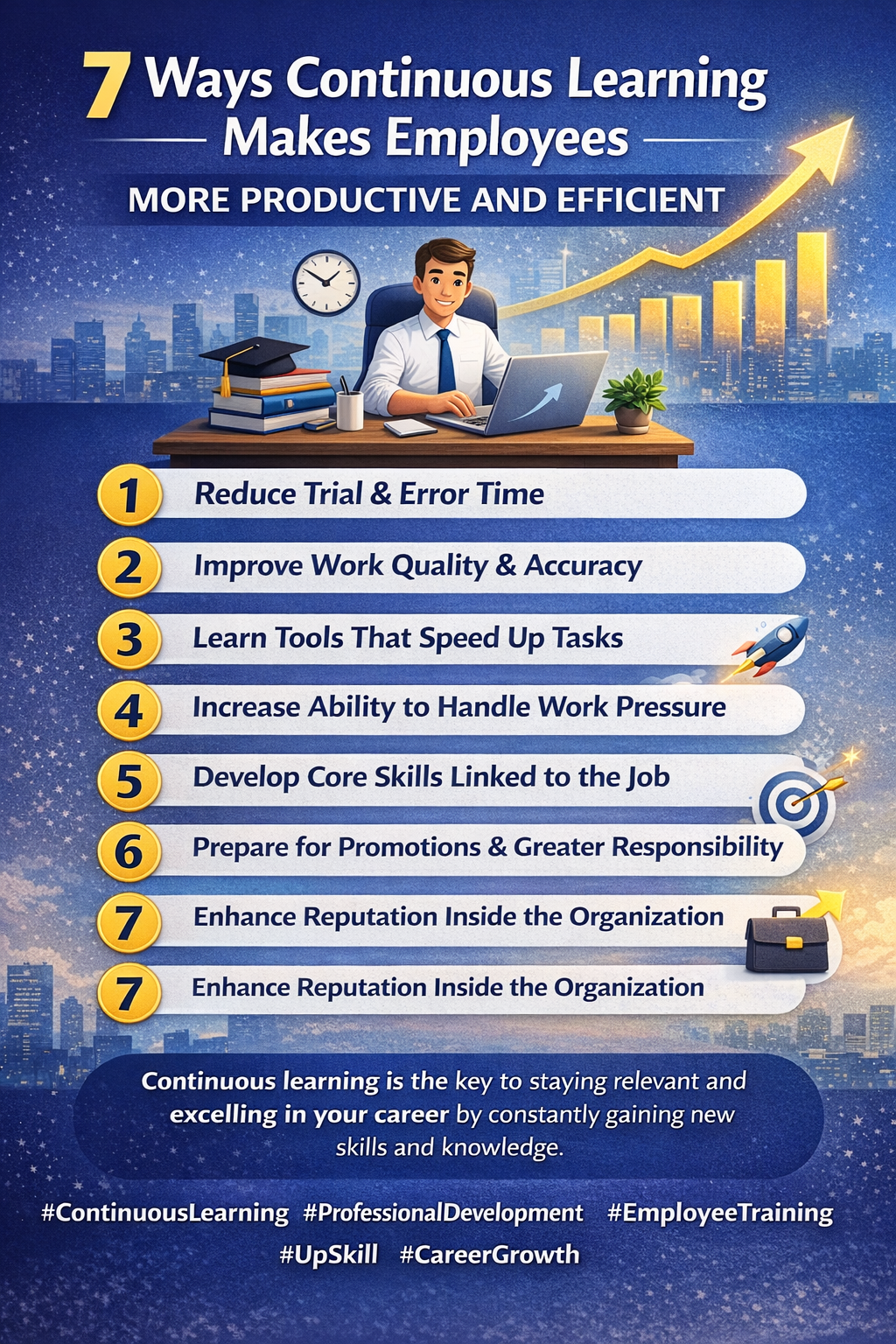
7 Ways Continuous Learning Makes Employees More Productive a
The job market is no longer as stable as it once was. Too
2026-Feb-08


Are family businesses a good option for job seekers?
Family businesses are those owned and run
2025-Dec-19