Soft skills: communication, leadership, and problem-solving
In today's world of work, soft skills have become essential for achieving professional and personal success. While technical skills are important, soft skills are key to effective communication, relationship building, and intelligent problem-solving. Among the most important soft skills, communication, leadership, and problem-solving stand out as fundamental pillars of success in any work environment or team.
What are soft skills?
Soft skills are a set of personal qualities and social abilities that help individuals interact positively with others, work effectively in a team, and adapt to different situations. Unlike technical skills, which rely on specialized knowledge, soft skills are linked to personal attributes and emotional intelligence.
Communication Skills
_The Importance of Communication:
Communication is the cornerstone of any professional or personal relationship. Through effective communication, individuals can express their ideas clearly, understand the needs of others, and resolve conflicts constructively.
_Types of Communication:
_Verbal Communication:
This includes the words we say, tone of voice, and manner of speaking.
Nonverbal Communication:
This includes body language, facial expressions, and hand gestures.
Written Communication:
This includes emails, reports, and text conversations via apps.
How to Develop Communication Skills:
Active Listening:
Listen attentively to the other person without interrupting, and try to understand their point of view.
Clarity and Precision:
Use simple words and be clear in expressing your ideas.
Emotional Intelligence:
Understand the feelings of others and respond appropriately.
Positive Body Language:
Make your body language consistent with your message; for example, use a smile or maintain eye contact.
Leadership Skills
The Importance of Leadership:
Leadership is not just about managing a team; it's about the ability to motivate others, guide them toward achieving goals, and inspire them to work effectively. An effective leader's role is not limited to making decisions; they also contribute to building a positive and productive work environment.
Characteristics of a Successful Leader:
Clear Vision:
A leader has a clear vision of the goals and how to achieve them.
The ability to motivate:
Knows how to encourage their team and instill enthusiasm in them.
Resilience:
Adapts to changes and finds innovative solutions to challenges.
Positive role modeling:
A successful leader sets a good example in behavior and work.
How to develop leadership skills?
Learn how to delegate tasks:
Give your team the trust and freedom to take responsibility.
Communicate effectively with the team:
Share goals clearly and listen to their ideas and suggestions.
Show empathy:
Understand your team's needs and provide the necessary support.
Problem-solving skills:
Challenges are inevitable in any work environment. Problem-solving skills are the ability to analyze complex situations, find practical solutions, and make appropriate decisions.
Steps to problem-solving:
Define the problem precisely:
Understand the root cause of the problem before attempting to solve it.
Gather information:
Collect all relevant data to understand the context.
Evaluate available options:
Identify possible solutions and evaluate their advantages and disadvantages.
Implementing the solution:
Choose the most suitable solution and implement it.
Evaluation and follow-up:
Evaluate the results of the solution and ensure its effectiveness.
How to develop problem-solving skills?
Develop critical thinking skills:
Learn how to analyze information and make informed decisions.
Learn to work under pressure:
Try to remain calm when facing crises.
Be creative:
Look for innovative and unconventional solutions.
Consult others:
Seek feedback from your colleagues or team to gain different perspectives.
بحث
أحدث المقالات

Professional development for teachers from rote instruction
Teacher professional development
2026-Feb-09
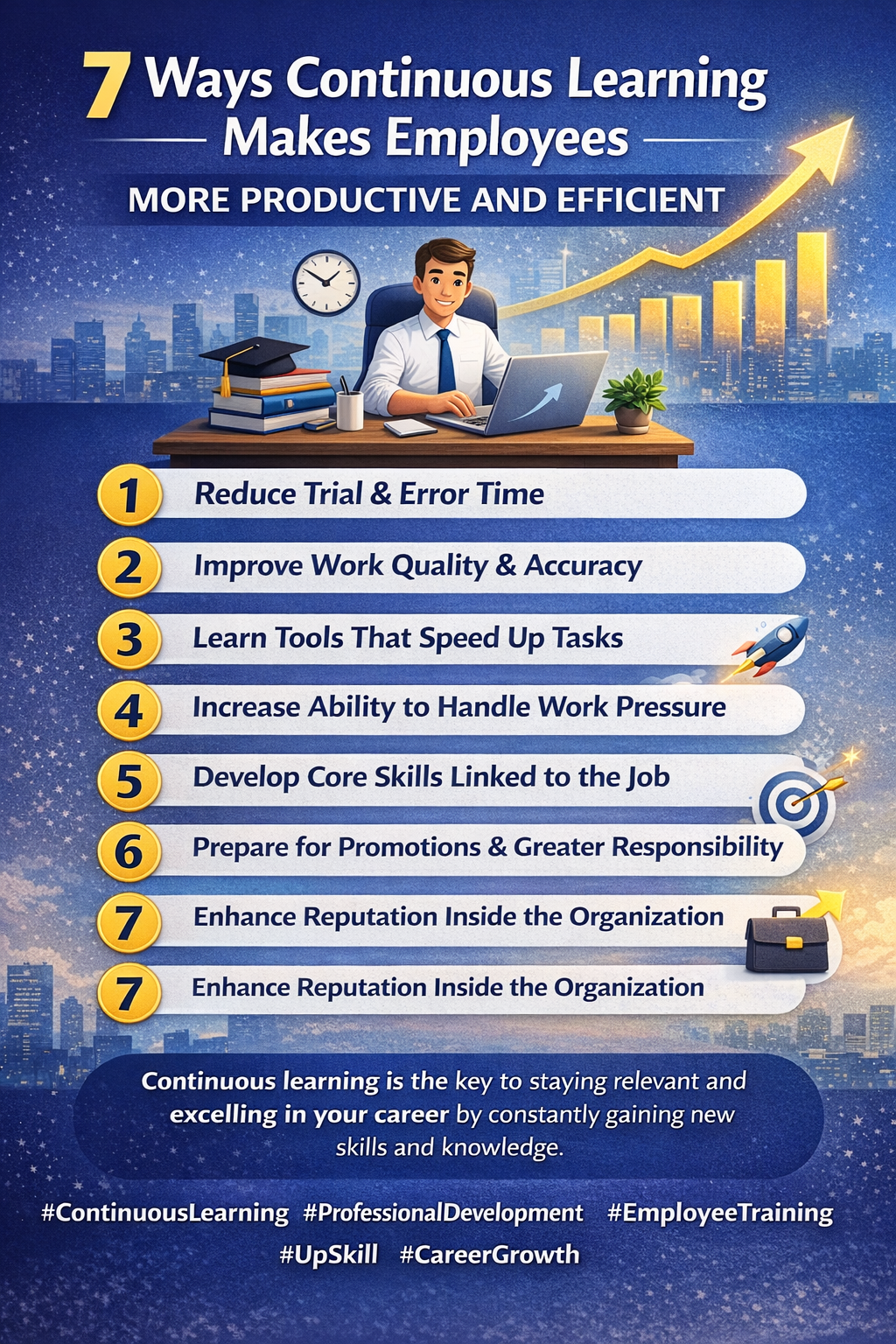
7 Ways Continuous Learning Makes Employees More Productive a
The job market is no longer as stable as it once was. Too
2026-Feb-08


Are family businesses a good option for job seekers?
Family businesses are those owned and run
2025-Dec-19